Swap Ride-On Toy Batteries: A Comprehensive Guide
Welcome to the essential guide for keeping your little adventurer's ride-on toy running smoothly! Ride-on toys are more than just playthings—they're portals to imagination, helping kids explore the world on four wheels (or two, for the brave!). But when the battery starts to fade, the adventure grinds to a halt. In this guide, we'll navigate through recognizing when it's time for a battery change, choosing the right replacement, and understanding key battery types like 6V AGM Batteries, 6V lead acid batteries, VRLA Batteries, and 4V AGM Batteries—all popular choices for ride-on toys.
Signs It's Time for a Battery Replacement
Just like a trusty sidekick, your child's ride-on toy will signal when it needs a battery upgrade. Watch for these red flags:
Shorter Run Time: If the toy used to last for hours but now dies within minutes, the battery's capacity is fading.
Longer Charging Time: The battery takes ages to charge but drains quickly—a classic sign of wear.
Struggling on Inclines: Does the toy stall on small slopes or require pushing? A weak battery can't deliver the power needed for tough terrain.
No Charge Retention: If the battery won't hold a charge at all, it's clearly past its prime.
Ignoring these signs can lead to frustration (for both kids and parents!) and might even damage the toy's motor. Time for a pit stop—let's talk replacements!

Choosing the Right Battery for Your Ride-On Toy
Selecting the perfect battery is key to restoring your toy's performance, safety, and longevity. Here's what to consider, with a focus on battery types ideal for ride-on toys:
1. Voltage Compatibility
Ride-on toys typically use 6V or 12V systems, though smaller models (like push cars or simple might rely on 4V batteries. Always check your toy's manual for the required voltage:
6V AGM Batteries and 6V lead acid batteries are common in mid-sized ride-ons, offering a balance of power and affordability.
4V AGM Batteries are perfect for smaller toys, ensuring safe, steady performance without overloading the motor.
Using the wrong voltage—too high or too low—can cause overheating, reduced speed, or even permanent damage. Stick to the manufacturer's specs!
2. Battery Capacity (Amp-Hours, Ah)
Capacity determines how long the toy runs on a single charge. Higher Ah (e.g., 4.5Ah vs. 7Ah) means longer playtime, but remember: larger batteries might be heavier and bulkier. For most ride-ons, a 6V 4.5Ah AGM battery or 6V lead acid battery offers a solid mix of runtime and size—perfect for backyard adventures.
3. Battery Type: Sealed Lead Acid (SLA) Options
Ride-on toys often use SLA batteries, which are sealed, maintenance-free, and safe for kids' environments. Within the SLA family, you'll find:
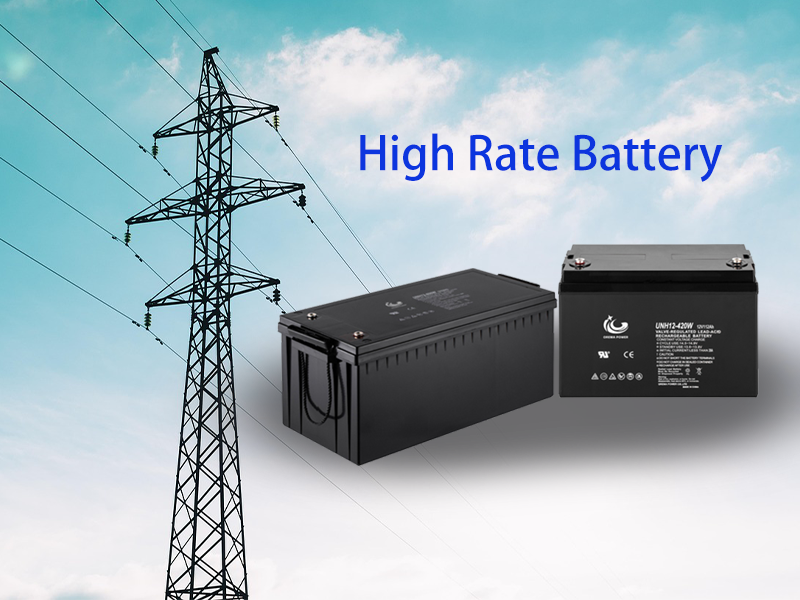
VRLA Batteries (Valve-Regulated Lead Acid): These include AGM (Absorbent Glass Mat) and gel-cell batteries. VRLA Batteries are leak-proof and vibration-resistant, making them ideal for bumpy rides.
AGM Batteries: A subtype of VRLA, AGM (like 6V AGM Batteries or 4V AGM Batteries) use a fiberglass mat to absorb electrolytes, offering faster charging, longer lifespan, and better performance in extreme temperatures.
Lead Acid Batteries: Classic, affordable, and robust, 6V lead acid batteries are a popular choice for budget-friendly replacements. They work reliably but may have slightly shorter lifespans than AGM variants.
All these types are safe for kids' toys, but look for UL certification and built-in protections like overcharge/over-discharge safeguards to prevent accidents.
4. Size and Fit
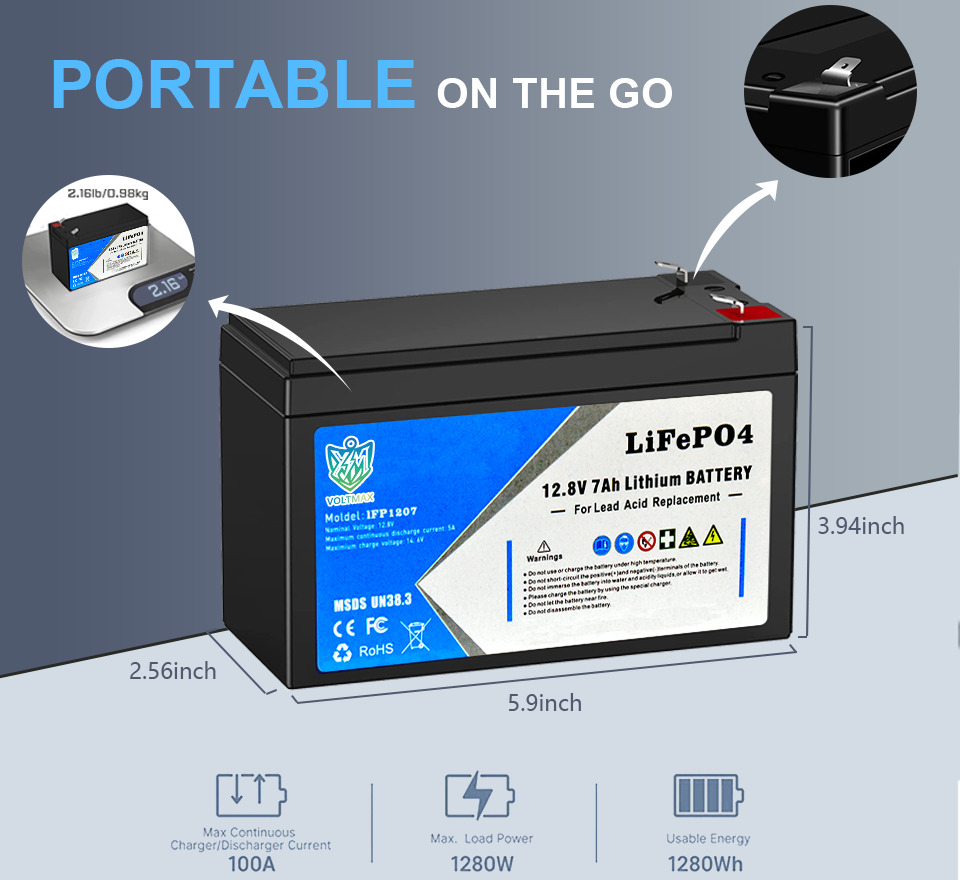
Measure your existing battery's dimensions (length, width, height) to ensure the new one fits in the compartment. Most 6V AGM and lead acid batteries share standard sizes for ride-ons, but double-check specs to avoid a frustrating "close but not quite" situation.
Why SLA Batteries Are Perfect for Ride-On Toys
Safety First: Sealed designs mean no spills or harmful fumes—critical for toys used by young children.
Low Maintenance: No need to add water or check electrolytes; just charge and go.
Durability: They handle the vibrations and rough play that come with kids' adventures.
Affordability: SLA options like 6V lead acid batteries and AGM variants offer great value for their lifespan.
Making the Switch: Replacement Tips
Unplug and Disconnect: Always turn off the toy and remove the old battery completely before installing the new one.
Check Connections: Clean terminals with a cloth (no metal tools!) and ensure wires are securely attached to prevent loose connections.
First Charge: Charge the new battery fully before letting your child ride—this calibrates its performance for optimal runtime.
Troubleshooting Post-Replacement
Toy Won't Start? Check wiring connections or fuse (if your model has one).
Short Run Time? Did you match the voltage and capacity? Under-spec batteries may not last.
Overheating? Stop use immediately—ensure you didn't install a higher-voltage battery by mistake.
Conclusion
Choosing the right battery—whether it's a 6V AGM Battery for power-hungry rides, a reliable 6V lead acid battery for simplicity, a durable VRLA Battery for all-terrain adventures, or a compact 4V AGM Battery for smaller toys—ensures your child's ride-on toy stays in top gear. Prioritize voltage compatibility, safety features, and proper fit, and you'll keep those smiles (and engine sounds!) going for miles.
Ready to get back on the road? Grab the correct battery, follow these steps, and watch your little driver zoom into their next big adventure—battery-powered and worry-free!
Choosing the Right Batteries for Golf Carts: A Comprehensive Guide
Comprehensive Guide to Automotive Batteries for New Drivers
Related Article