10 Secrets You Didn't Know About LiFePO4 Lithium Batteries
As a decade-long veteran in energy storage, I’m here to reveal lesser-known truths about LiFePO4 lithium batteries—game-changers as lead acid battery replacements. Let’s cut through the noise with actionable insights that blend science, real-world experience, and cost-saving wisdom.
1. Fire-Safe Chemistry: Why LiFePO4 Outshines Others
LiFePO4 (lithium iron phosphate) stands apart for its olivine crystal structure, which keeps it stable up to 300°C—double the thermal runaway point of cobalt/nickel-based lithium batteries. In abuse tests, punctured LiFePO4 cells stayed warm, while others ignited. For RVs, marine setups, or homes, this makes them the safest lead acid battery replacement, eliminating fire risks without sacrificing power.
2. 10,000 Cycles? Yes, With Smart Management
While specs say 4,000-5,000 cycles, proper voltage control (3.65V charge / 2.5V discharge via quality BMS) can hit 10,000+ cycles at 80% DoD. In my renewable project, 12-year-old batteries still had 82% capacity—20x longer than lead acid’s 300-500 cycles. Key takeaway: BMS isn’t optional; it’s the lifespan multiplier.
3. Cold Weather Champions (With a Catch)
LiFePO4 retains 85% capacity at -20°C (NMC drops to 60%), thanks to iron-based cathode conductivity. But never charge below 5°C—cold electrolyte causes lithium plating, damaging the battery. Use a heater mat for off-grid cabins or electric fleets in freezing climates: far more reliable than lead acid, which loses 30% capacity at 0°C and freezes solid below -40°C.

4. The True Cost of "Cheap" Lead Acid
Yes, LiFePO4 costs more upfront ( 500 vs 200 for 100Ah lead acid). But over 10 years:
Lead acid: 5 replacements ($1,000) + 20% energy loss
LiFePO4: 1 battery ($500) + 95% efficiency + zero maintenanceFactor in 60% lighter weight (lower transport costs) and 80% DoD (lead acid maxes at 50%), and LiFePO4 lithium batteries become the cheaper choice—especially for 24/7 use.
5. Charge Faster Without Damage (Quality Matters)
Top LiFePO4 batteries handle 1C charging (100A for 100Ah) thanks to nano-structured cathodes that speed lithium flow. In a telecom tower project, 1C charging for 3 years caused zero degradation. But cheap batteries with large particles overheat—always check C-rate specs and pair with a BMS to limit current.
6. Spotting Fake LiFePO4: 3 Quick Tests
The market is full of fakes. Verify with:
Voltage: Real LiFePO4 holds 3.2V flat; fakes drop below 3.0V early
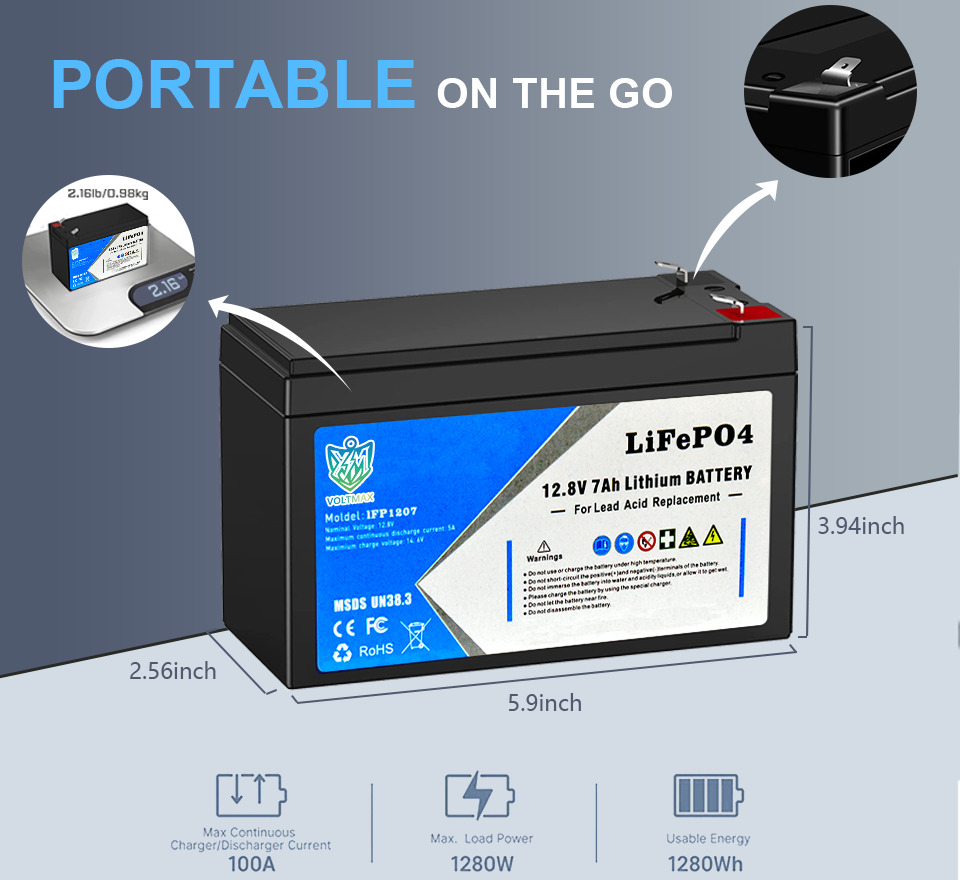
Weight: 100Ah should weigh ~12kg; fakes in lead acid cases are 15kg+
Certifications: Insist on UL/CE and third-party reports (2,000+ cycles at 80% DoD)Don’t fall for labels—lab tests revealed a "LiFePO4" that was actually dangerous LMO.
7. Debunking Memory Effect (and Voltage Sag Fix)
LiFePO4 has no memory effect, but extreme discharge (below 2.5V) causes temporary voltage sag. Solution: never go below 20% SoC and charge fully monthly to balance cells. Unlike lead acid’s permanent sulfation, LiFePO4’s sag reverses with care.
8. Greener Than You Think (Beyond Recycling)
95% recyclable (vs. lead acid’s 90%), LiFePO4’s real eco-win is ethical sourcing. Iron/phosphate are abundant and conflict-free, unlike cobalt/nickel. Lifecycle analysis shows 40% lower carbon footprint than NMC batteries—perfect for ESG goals or eco-conscious consumers.
9. DIY Dangers: BMS is Non-Negotiable
DIY packs without a quality BMS risk cell imbalance, leading to overcharge and fire. A good BMS balances voltages (within 5mV), stops charging at 3.65V, and monitors temperature. Skip it at your peril—even slight resistance differences destroy cells over time.
10. The Future of Energy Storage is LiFePO4
Research is pushing LiFePO4 into solid-state tech, boosting energy density to 200 Wh/kg (from 140 Wh/kg) while enhancing safety. EV makers use it for affordable, safe entry models, and grid-scale farms love its 20-year lifespan and fire resistance. This isn’t just a battery; it’s the backbone of sustainable energy.
Conclusion: Smart Choices for a Smarter Battery
LiFePO4 lithium batteries outperform, outlast, and out-save lead acid in nearly every scenario—if you know the secrets. Prioritize certified products, pair with a robust BMS, and avoid extreme conditions. Whether for your RV, home, or business, these insights ensure you unlock the full potential of the safest, most durable energy storage solution on the market.
Ready to switch from lead acid? Start by checking cycle life, temperature needs, and certifications. Your reliable, long-lasting power source is just a smart choice away.
Can't Locate Your Automotive Battery? Here Are Three Hidden Spots You Need to Know
How to Charge and Maintain Lawn Mower Batteries
Related Article